
The Allure of Chance
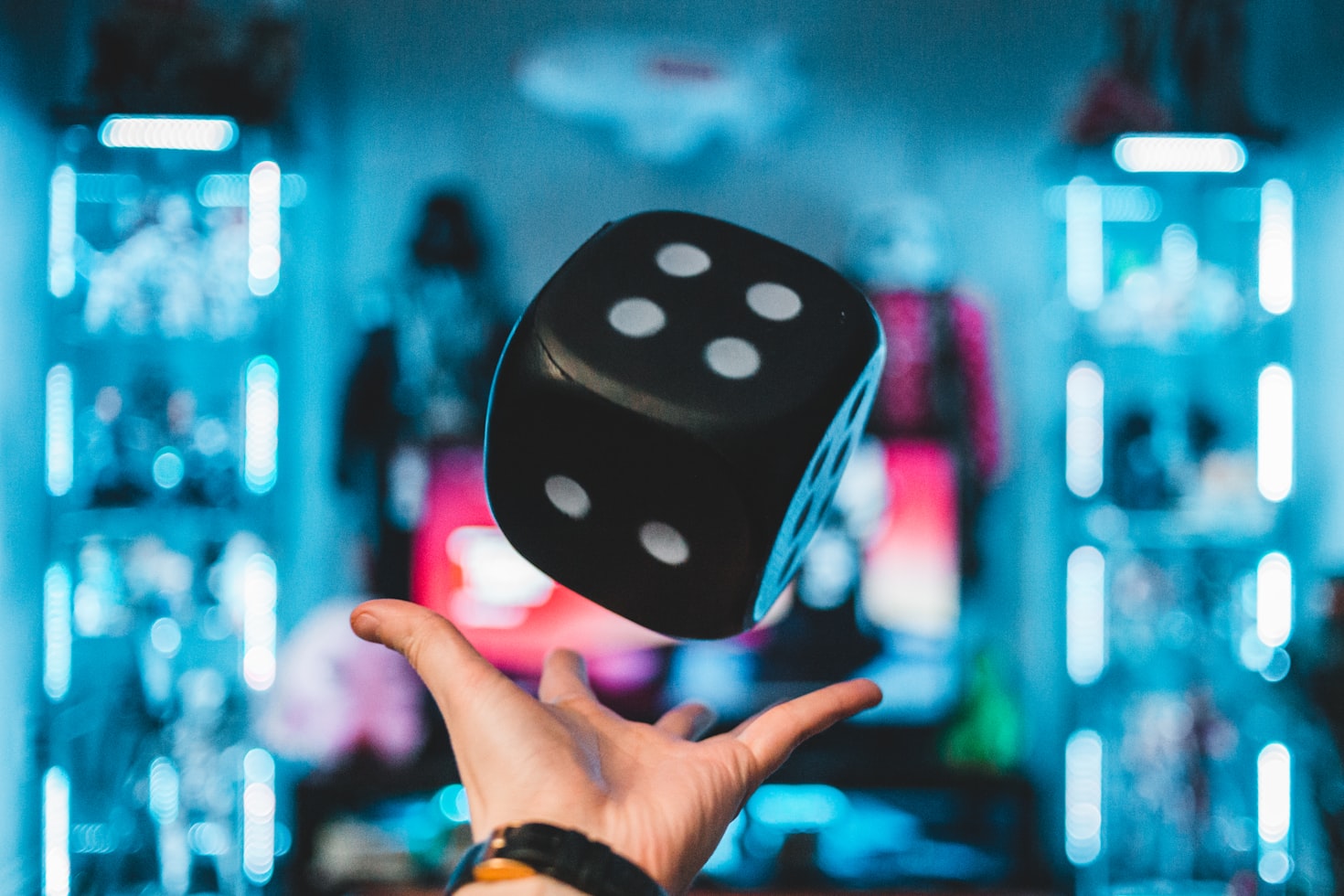
The thrill of uncertainty is a significant factor driving individuals to casino gaming. The unpredictable nature of games like slots, poker, and roulette creates a powerful allure, compelling players to take risks in hopes of striking it lucky. This unpredictability taps into our innate desire for excitement and adventure, often overshadowing the rational assessment of odds and statistics. Many players also search for offshore online sportsbooks as a means to engage with gambling in a different format, further emphasizing this attraction.

Moreover, the concept of intermittent reinforcement plays a crucial role in the psychology of gambling. When players experience sporadic wins, it creates a compelling feedback loop that encourages continued play. This unpredictable reward schedule fuels the excitement and anticipation, making it difficult for individuals to resist the temptation to return to the gaming floor.
The Role of Emotions
Emotions significantly impact decision-making in a casino environment. Players often experience a rollercoaster of feelings, ranging from elation during a win to despair during a loss. These emotional highs and lows can cloud judgment, leading players to make impulsive choices that deviate from their usual logic. For example, after a win, a player might feel overconfident and increase their stakes, while a loss may trigger a desire to chase losses, leading to further financial strain.
In addition, social interactions within a casino can amplify emotional responses. The energy of other players, the sounds of machines, and the overall atmosphere contribute to a heightened state of arousal that can enhance the gaming experience. This social aspect creates a shared sense of excitement, further driving individuals to engage in gaming as a form of entertainment and socialization.
Cognitive Biases in Gambling
Cognitive biases also play a significant role in the choices gamblers make. The illusion of control is a notable concept wherein players believe they have influence over the outcomes of games of chance. This belief can lead to an overestimation of one’s skill level and the ability to predict outcomes, which in turn affects decisions and betting strategies.
Additionally, confirmation bias can skew perceptions of success in gambling. Players may tend to remember their wins while conveniently forgetting their losses, reinforcing the idea that winning is more frequent than it actually is. This distorted view can encourage continued gambling, as individuals hold on to the false hope of future wins.
Casino Design and Its Impact
The layout and design of a casino are meticulously crafted to enhance the gaming experience and influence player choices. From the placement of slot machines to the arrangement of tables, every element is designed to prolong engagement and minimize the desire to leave. Bright lights and enticing sounds create an immersive environment, drawing players deeper into the gaming experience.
Additionally, the lack of clocks and windows in many casinos serves to disorient players, making them lose track of time and encouraging prolonged gambling sessions. This calculated design strategy taps into both psychological and sensory manipulation, enhancing the likelihood of continued play and increased expenditure.
Exploring Literary Insights on Gambling Psychology
For those interested in delving deeper into the psychology of gambling, the literary world offers a plethora of resources. Books on the topic can provide valuable insights into the motivations and behaviors that drive individuals towards casino gaming. Understanding the psychological underpinnings can empower players to make more informed decisions when it comes to gambling.
Polisbooks.com serves as an excellent platform for accessing various literary works related to gambling psychology. Users can explore a wide array of titles that not only entertain but also educate about the complexities behind our choices in the gaming world. By engaging with these materials, readers can gain a more nuanced understanding of their own behaviors and the broader implications of gambling as a social phenomenon.
